
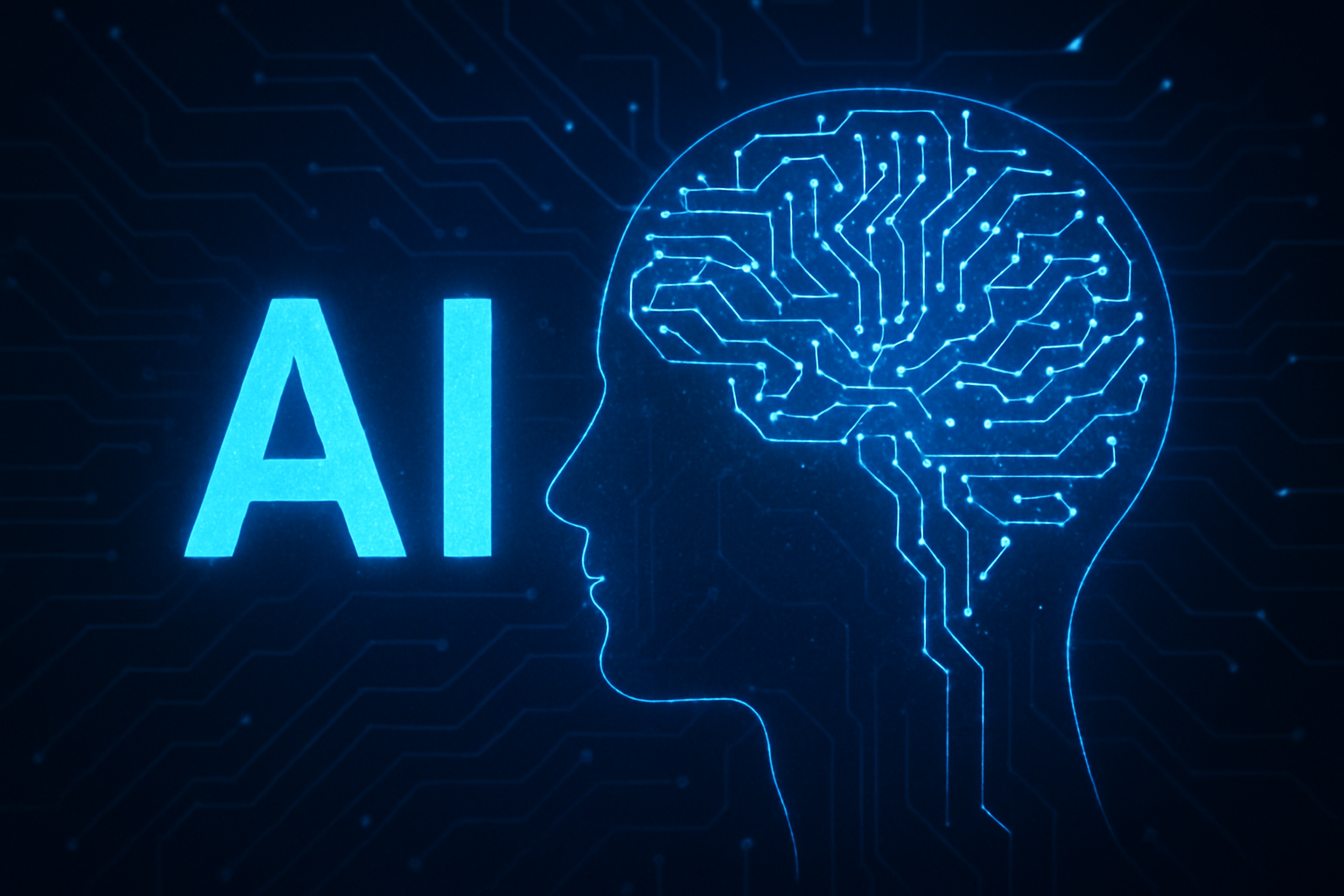
In this new day and age where AI is being incorporated into every aspect of our lives, it’s impossible to avoid it, even in school. When used with bad intentions, students can easily use it to cheat and avoid their assignments, causing them to fall behind in the future. However, when AI is used as a shortcut rather than a tool that strengthens understanding, it can hinder students’ comprehension and development of critical thinking.
Ways To Use AI Effectively
- Break down difficult concepts or confusing topics : Some teachers might not explain the material concisely or students might not understand the material themselves, leading to confusion and lagging behind in class. However, by using prompting like “Explain [topic] like I am in 5th grade” or a simple “Clarify this topic,” AI can turn confusion into comprehension.
- Give instant feedback : Teachers can’t give individual attention to every student, which delays grades and feedback. Yet, instant and constant feedback is proven to help students learn more effectively and retain information. Usage of new school resources such as Magic School AI is actually encouraged and helps students learn from their mistakes instantly and improve their work.
- Practice questions : Whether or not students have upcoming exams, practice questions can be used whenever. Students can generate problems related to the topic they have learned or the topic being tested, assessing their knowledge and solidifying their understanding through application of concepts, instead of memorization and re-reading notes.
- Help improve language skills and rehearse real-world conversations : Now with new advances in AI and “voice conversations,” AI can even be used to help build conversational skills in foreign languages and rehearse for real-world situations such as college interviews and speeches. By using AI to improve conversational skills, students can grow as communicators and broaden their skill set in new areas.
- AI can question your perspective and encourage deeper thinking : AI can even be used to broaden a student’s perspective and make them think deeper. By asking AI to be a “devil’s advocate” it can try to disagree with you and find holes in your understanding that you never knew before. AI can act as a thinking partner and help you think through problems instead of copying solutions.
How Does AI Affect Future Jobs
How developed will it become in the future? If it becomes fully developed, will jobs be at risk of replacement? Which jobs are not likely to be replaced? All of these questions raise concerns for both students and adults, so understanding which jobs are most/least at risk of being replaced by AI, as well as which jobs that are being innovated is crucial in this generation.
Most At Risk
- Travel Agents : Most people now book flights, hotels, and trips using AI-powered platforms and apps.
- Truck Drivers/Delivery Drivers : Self-driving vehicles and drone delivery are advancing quickly.
- Bank Tellers : Online banking, ATMs, and AI-powered financial services continue to reduce teller demand.
- Cashiers : Self-checkout systems and AI-enabled payment processing are rapidly replacing checkout clerks.
- Accountants : AI tax software and financial automation reduce the need for human accountants.
- Telemarketer : AI can make voice calls, respond dynamically, and even detect customers’ emotions.
- Paralegal : AI can review, summarize, and draft legal documents much faster.
Least At Risk
- Teachers/Educators : Teaching requires understanding individual students, motivating them, and adjusting explanations dynamically. AI may be able to aid in grading or generating materials, but personalized mentorship and inspiration are inherently human.
- Healthcare professionals : Doctors, nurses, therapists, and more require human judgment, empathy, and the ability to respond to unpredictable situations, all traits that AI lacks.
- Skilled Trade : Electricians, plumbers, mechanics, and more involve complex manual work in a variety of environments. AI and robots cannot easily replicate the adaptability, problem-solving, and fine motor skills required on-site.
- Creative Professionals : Artists, designers, or any other job that requires an elevated level of creativity calls for original creative vision and innovation, qualities that are difficult for AI to generate meaningfully.
In summary, jobs that involve repetitive, rule-based tasks or transactional customer-facing interactions—are among the most risk of being replaced by AI. On the other hand, jobs that rely on human creativity, empathy, adaptability, and personalized judgement—qualities that are native to human beings—are least at risk of being replaced by AI.
Source : https://onlinedegrees.sandiego.edu/ai-impact-on-job-market/