

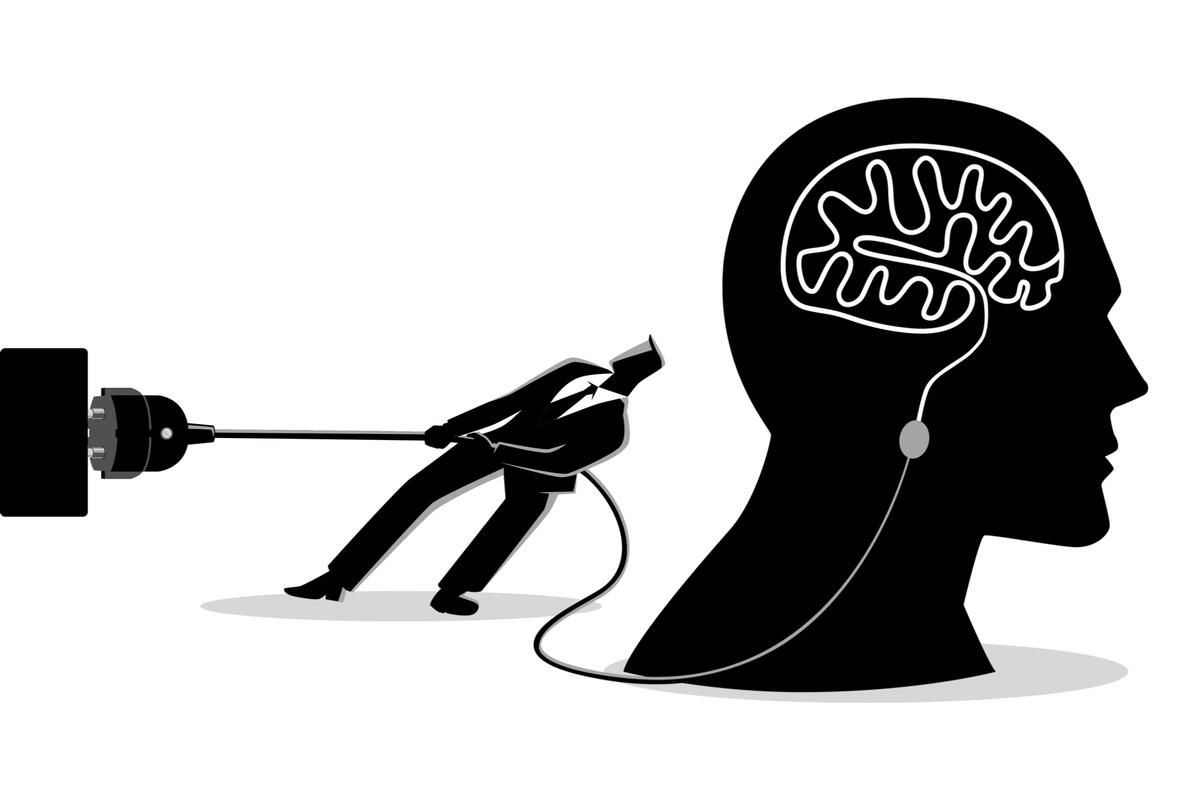
In today’s digital world, the number of followers, likes, and perfectly edited posts often seem to define our identity and social status. Social media plays a major role in the daily lives of teenagers, yet its impact is not always positive. In 2022, data collected by the Pew Research Center discovered that 48% of U.S. students aged 13-17 years old view social media as a threat to their mental health. Students are aware that social media is detrimental to them, yet why are they still getting addicted to it? That is because of the unescapable dopamine loop and extreme peer pressure.
Social media platforms are engineered to trigger dopamine release through likes, comments, short-form videos, and infinite scrolling, among other things. Consequently, teenagers with developing brains struggle to control their impulses and desires. Teenagers now look for validation and acceptance from the digital world. They are often apprehensive about being outdated and falling behind on TikTok trends or other social events. How can we solve this problem? One effective way to address this problem is through digital detox, which helps teenagers reduce social media use and purify their mental state.
What is Digital Detox?
Digital detox is a set period of time to stay away from devices and social media to reduce stress levels and to improve mental health. These are some factors to know if you need a digital detox:
- You feel anxious or nervous if your phone is not around you
- You feel the need to check your phone constantly
- You feel depressed, mad, or upset after being on social media
- You compare yourself to others on social media
- You would rather interact with your friends virtually than in real life
- Social media disrupts your daily life (sleep, school work, homework, relationships with people around you)
How Do You Start?
If you relate to many of these signs, don’t worry, here are some simple steps to start a digital detox.
- Set a specific goal. (See what app you spend the most time on and set a screen time for yourself. Always start little by little. Turning off the notification can also be helpful since it prevents you from constantly checking your phone and reduces distractions and temptation).
- Tell your family and friends. (Let your people know that you are taking a break from social media so they can understand and support you. Spend more meaningful and productive time with the people you care about.)
- Replace screen time with healthy activities. (Find new hobbies, like reading, exercising, spending time outdoors, crafting, drawing, etc.)
- Evaluate your results and reflect on them. After committing to your digital detox for some time, reflect on yourself and see how you feel. Has your mental health improved? Do you feel less depressed or stressed? Has your sleep productivity improved? Recognizing those small changes can help you visualise the benefits of digital detox. You may also encourage others around you to try it if they are struggling with social media addiction.
Social Media can easily trick us into believing the way people present themselves online is completely true. However, in reality, most people only show the positive aspects of their life because that is what everyone wants to see–a thriving, luxurious life without any stresses. When we compare ourselves to the illusion of social media life, it erodes our self-esteem and confidence. As a result, we may overlook what truly matters in our lives: genuine human interactions and meaningful relationships with the people we love. Digital detox and focusing on the real world around us can be the cure to our mental health and remind us of the real beauty in everyday life.
© 2026 KAYO. All rights reserved.